




Materials Guide
YACAIA works with three materials: merino wool, cashmere and Supima® cotton. Each behaves differently — in warmth, weight, softness and how it wears over time. This guide explains the differences, and which material to choose for what.
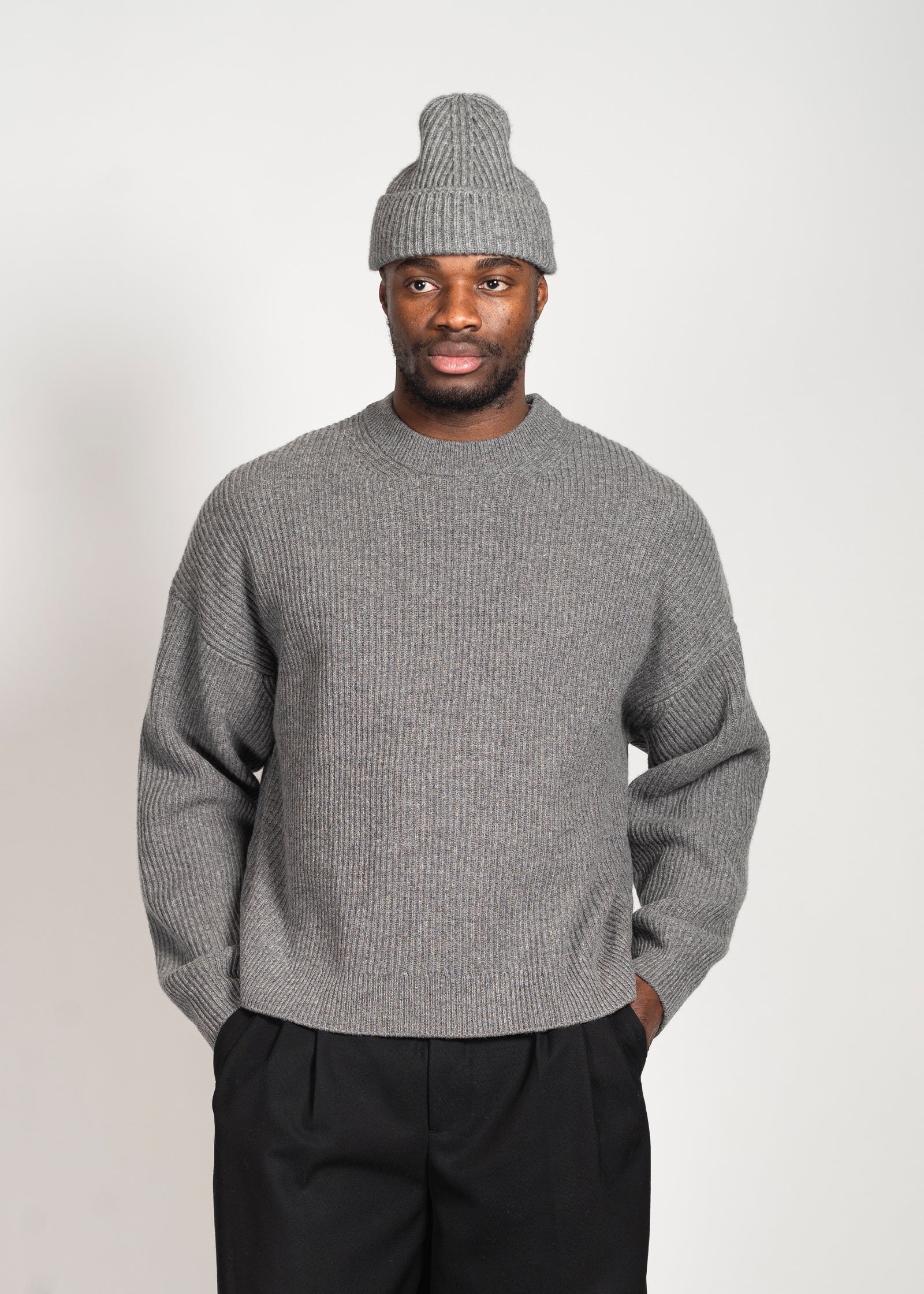
Merino wool
Merino wool comes from Merino sheep, bred for a finer, softer fiber than standard wool — fine enough to wear against skin without the itch associated with coarser wool. Merino is also temperature-regulating: it insulates in the cold and breathes in mild weather, and it manages moisture better than cotton or synthetics, which is why it doesn't hold odor the way other fibers do. It's the most durable of the three materials here, and the best choice for a piece worn often.

Cashmere
Cashmere is the fine undercoat combed from cashmere goats, most of it from Inner Mongolia, where the cold, dry climate produces the finer fiber the region is known for. Weight for weight, cashmere insulates better than merino — which is why a cashmere knit can be lighter than a wool one at the same warmth. It's also softer and more delicate: cashmere pills more easily than merino and needs a gentler wash. We blend cashmere with merino wool in most knitwear to combine cashmere's softness and warmth with merino's durability; our 100% cashmere pieces are for anyone who wants the material at its purest.
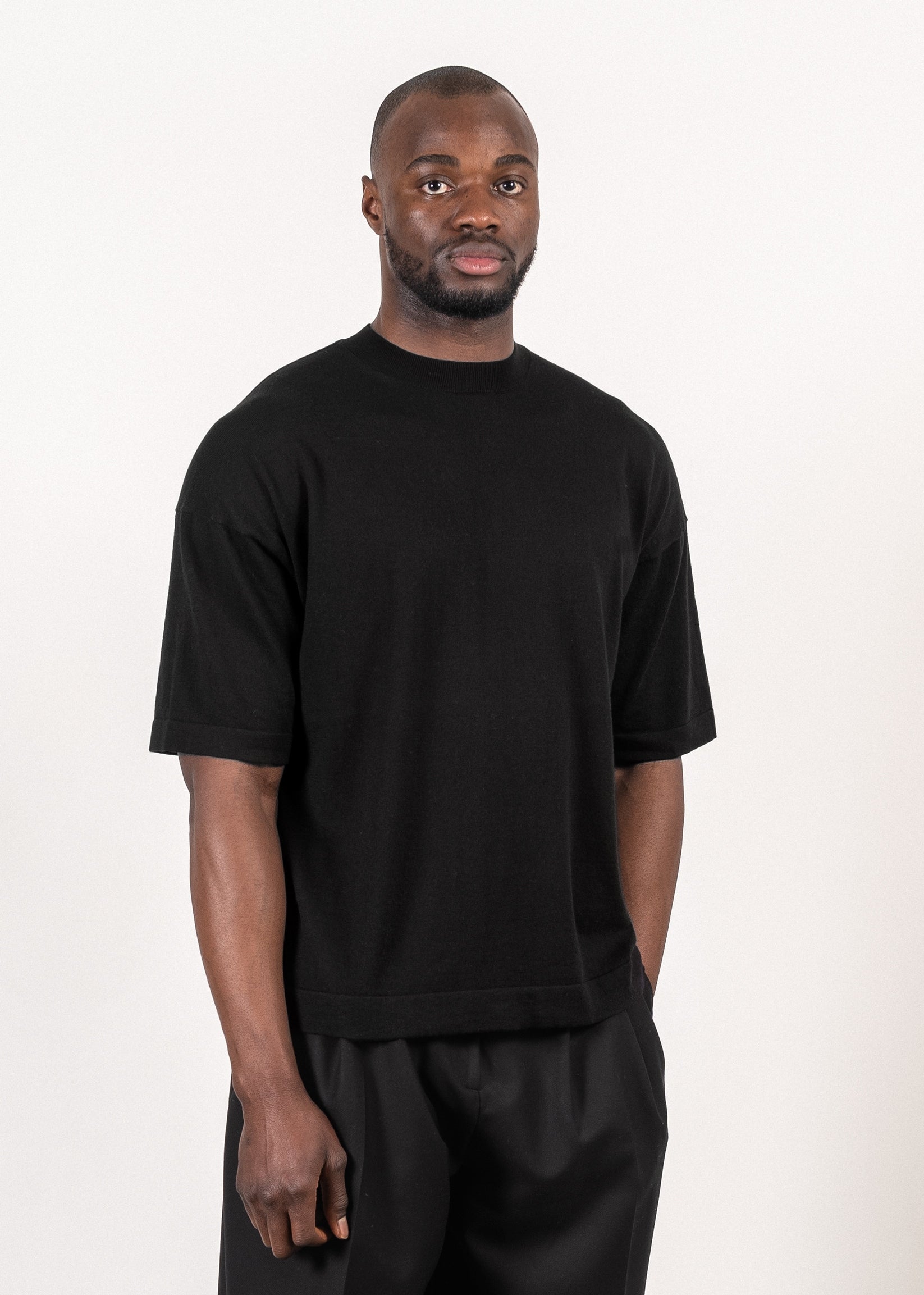
Supima® cotton
Supima® is a trademarked American Pima cotton, grown in the US and licensed to manufacturers who meet its fiber standards. Its defining trait is staple length: the individual fibers are longer than standard cotton, which makes the finished yarn stronger, smoother and less prone to pilling and fuzzing. We use it mainly in T-shirts and polos, and blend it with cashmere in some pieces for a cotton-weight garment with cashmere's softness.
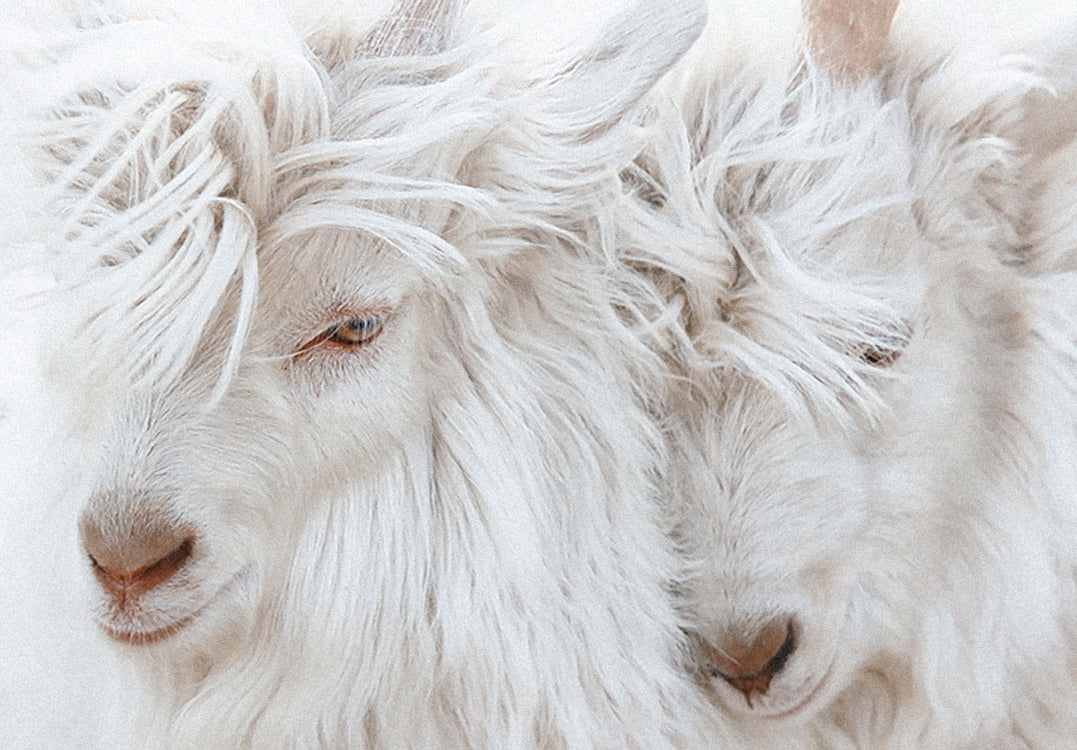
Traceability
Our merino wool and cashmere are traceable to the individual farm or herd — not just the country or region — and certified accordingly: cashmere to the Good Cashmere Standard® (GCS), merino wool to the Responsible Wool Standard (RWS). Supima® cotton is certified by license to the Supima fiber standard rather than traced to an individual farm. All our textiles, across materials, are tested to OEKO-TEX® Standard 100. See our traceability and certifications page for what each standard covers.
Choosing between materials
Merino or cashmere — which is warmer?
Cashmere is warmer for its weight. Merino is closer in warmth per layer of thickness, and more durable over years of wear.
Which pills the least?
Merino, followed by Supima® cotton. Pure cashmere pills the most easily of the three, though a tighter, more densely spun yarn — which is what we use — reduces this. See our care guide for washing and pilling.
Which is best for sensitive skin?
Both merino and cashmere are fine enough to avoid the itch associated with coarser wool. Cashmere is marginally softer; merino is marginally more breathable.
Why blend materials instead of using one?
Blends combine strengths — merino/cashmere for warmth and durability together, Supima®/cashmere for a lighter, cotton-weight piece with cashmere's hand-feel.
